Daylight Saving Time Ends Nov. 1, 2026 in Ocala
Clocks go back one hour at 2 a.m., and Ocala sunsets move to before 6 p.m.
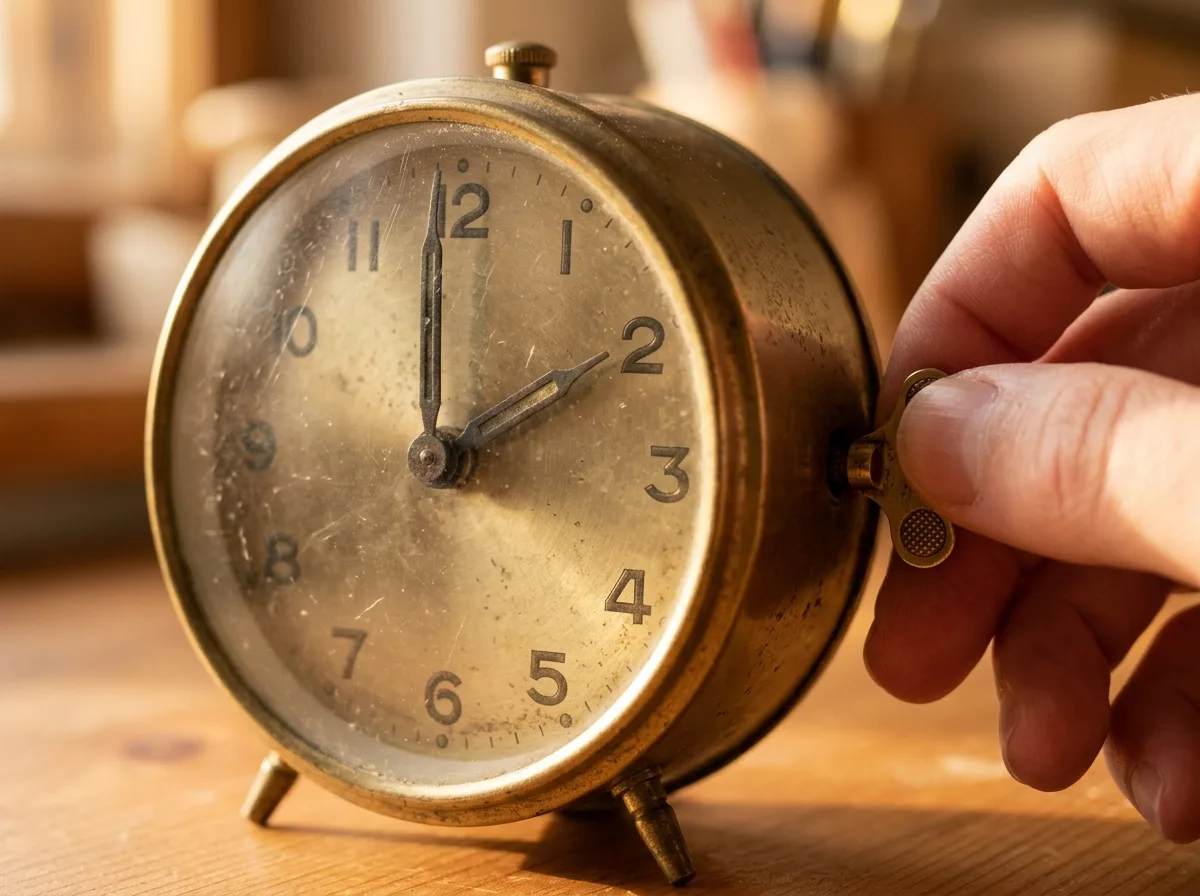
Ocala and all of Marion County are in the Eastern time zone. On the first Sunday of November, Eastern Daylight Time (EDT) gives way to Eastern Standard Time (EST), which gives Ocala an extra hour of sleep and shifts every sunrise and sunset one hour earlier on the clock. Sunrise comes earlier on the morning of Nov. 1, but the evening light fades by about 5:42 p.m.
Ocala Sunrise and Sunset Before and After the Change
These times come from the U.S. Naval Observatory sun and moon data service, queried on Oct. 27, 2026 for Ocala at 29.19 N, 82.14 W. The Oct. 31 values use UTC-4 (EDT) and the Nov. 1 values use UTC-5 (EST).
Saturday, Oct. 31, 2026 (EDT)
Sunrise 7:41 a.m.
Sunset 6:43 p.m.
Sunday, Nov. 1, 2026 (EST)
Sunrise 6:41 a.m.
Sunset 5:42 p.m.
Halloween falls on Saturday, Oct. 31, the last day of daylight saving time, with sunset at 6:43 p.m.; see our Halloween in Ocala guide for events.
What Florida Law and Congress Say
Federal law
Under 15 U.S.C. 260a, clocks advance at 2 a.m. on the second Sunday of March and return at 2 a.m. on the first Sunday of November. The statute lets a state that lies entirely in one time zone exempt itself and stay on standard time, but it does not provide for permanent daylight saving time.
Florida law (2018)
The Legislature passed HB 1013 in 2018 (Chapter 2018-99, effective July 1, 2018). It appears in the Florida Statutes as section 1.025, the Sunshine Protection Act, which applies only if Congress amends 15 U.S.C. 260a to let states observe daylight saving time year-round. Until then, Florida follows the federal schedule.
Status of the federal bill
According to Congress.gov, H.R. 139, the Sunshine Protection Act of 2025, was introduced by Rep. Vern Buchanan (R-FL-16). The House passed it on July 14, 2026, by a vote of 308 to 117, and it was received in the Senate and referred to the Committee on Commerce, Science, and Transportation on July 15, 2026. That is the latest action listed as of Oct. 27, 2026. The Congressional Research Service summary says the bill makes daylight saving time the new permanent standard time. It has not become law, so clocks change on Nov. 1 as usual.
Earlier Evenings: Plan Fall Outings Around Sunset
With sunset at 5:42 p.m. on Nov. 1, outdoor visits that depended on evening light need an earlier start. These Ocala guides cover the activities most affected.
Springs and parks
Plan a springs day for the morning or early afternoon. Silver Springs State Park and Rainbow Springs State Park are the best known; check each park's own page for current hours.
Bird watching
Late-afternoon light now ends sooner, which shortens the evening window at local viewing spots. See the bird watching in Ocala guide.
Holiday lights
Darker early evenings suit lights displays. Browse the Christmas lights in Ocala guide for displays and dates.
This weekend and beyond
See things to do this weekend in Ocala and the broader things to do in Ocala guide.
Daylight Saving Time in Ocala: Frequently Asked Questions
When does daylight saving time end in 2026?
Daylight saving time ends Sunday, Nov. 1, 2026, at 2 a.m. local time, when clocks go back one hour to 1 a.m. Federal law (15 U.S.C. 260a) ends the daylight saving period at 2 a.m. on the first Sunday of November.
Does Florida observe daylight saving time?
Yes. Ocala and the rest of Marion County are in the Eastern time zone and follow the federal schedule, moving clocks forward in March and back in November. Florida passed a law in 2018 that would put the state on daylight saving time year-round, but it takes effect only if Congress changes federal law.
What time is sunset in Ocala after the change?
On Sunday, Nov. 1, 2026, the first day back on standard time, the U.S. Naval Observatory lists sunset in Ocala at 5:42 p.m. and sunrise at 6:41 a.m. On Saturday, Oct. 31, the last day of daylight saving time, it lists sunset at 6:43 p.m. and sunrise at 7:41 a.m.
Will Florida stop changing clocks?
Not under current law. Florida Statutes section 1.025 says the state would move to year-round daylight saving time only if Congress amends federal law to allow it. As of Oct. 27, 2026, the Sunshine Protection Act of 2025 (H.R. 139) has passed the U.S. House and was referred to a Senate committee on July 15, 2026; it has not become law.
Sources checked Oct. 27, 2026: U.S. Naval Observatory sun and moon data; 15 U.S.C. 260a; Florida Senate statute and bill pages; Congress.gov. AI tools helped gather the sources and draft this page; each fact was checked against those sources before publishing. See our editorial guidelines.